


News Center
News Center


How to Choose Binoculars for Different Outdoor Applications
2026-10-10 15:12:04
Start with the application
The right binocular depends on where and how it will be used. Birdwatching and general Outdoor Observation often benefit from a wide field of view and comfortable handling. Marine or exposed environments may require water-resistant construction, while travel users may prioritize compact dimensions and low weight. B2B buyers should define the intended user and selling channel before selecting a model.
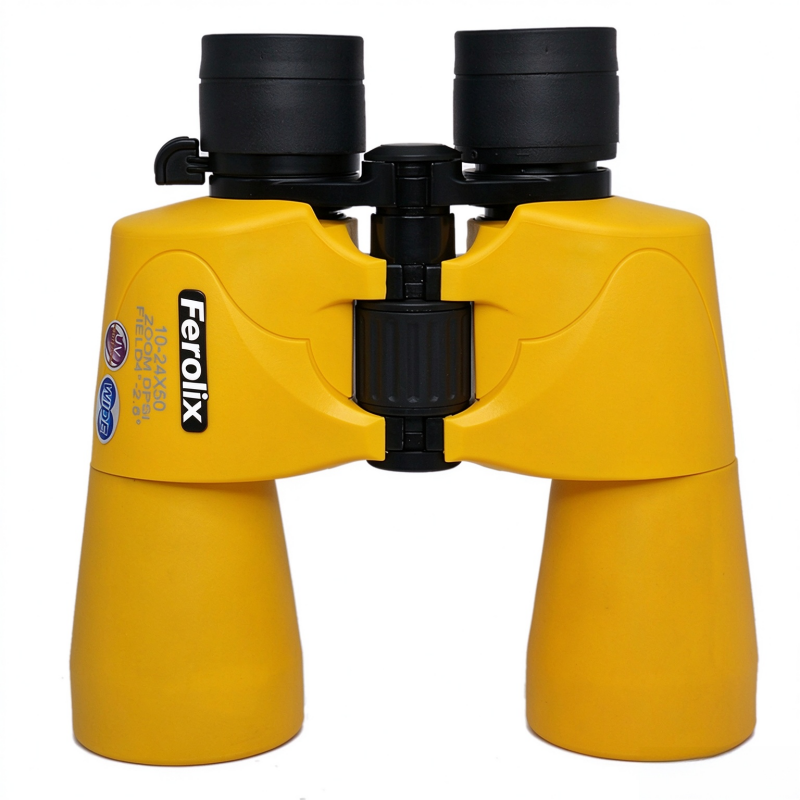
Understand the numbers
In a specification such as 8×42, 8× is magnification and 42 mm is the objective-lens diameter. Higher magnification can reveal more detail at distance, but it also makes hand movement more visible and can narrow the field of view. A larger Objective Lens can gather more light, although it generally increases size and weight. Compare the complete optical system rather than choosing by one number.
Check comfort and construction
Eye relief matters to eyeglass wearers; a sufficiently long usable eye relief helps them see the full field. Focus-wheel movement, diopter adjustment, interpupillary adjustment, grip and balance all affect daily usability. Ask suppliers to clarify whether water resistance has been tested and what conditions the rating covers. Do not treat terms such as waterproof or fog-proof as interchangeable without supporting specifications.
What B2B buyers should request
Importers and distributors should request a specification sheet, packaging details, available accessories, quality-control information and sample units. Compare products under similar lighting and viewing conditions. For private-label projects, confirm logo placement, packaging artwork, minimum order quantity and whether the chosen configuration can be maintained for repeat orders. A clearly defined specification makes quotations and supplier comparisons more reliable.
Editorial reference note: Where standards or performance claims are relevant, cite the applicable current standard or test report on the published page. Confirm applicability and current edition before naming a standard.
- Previous page: 640×512 Thermal Imaging: Applications of High-Resolution Uncooled VOx Sensors
- Next page: None
Comment
(0)